
Jefferson County Multi-Day Arrest Records
The Jefferson County Sheriff's Office publishes no 72-hour, weekly, or other multi-day booking list. Its Jail Division and Records Division offer none either. There is no county blotter URL to lean on. Archive depth, photo policy, and update schedule are likewise absent. So build the span yourself from official records. Do not mistake a private list or some other county's data for Jefferson County, Georgia.
Start by fixing the date range and the record type. A jail booking record shows who entered local custody. A police incident report describes one agency's event. A court docket tracks filings as a case moves. Same name and date can appear in all three, yet each answers a different question. Louisville, Wrens, and Wadley police records stay with the city. Even then, the Jefferson County Jail may have held the person.
Build a Jefferson Police Blotter
Work backward from a bounded span of days. The JCSO Records Division centrally stores and shares incident, accident, juvenile, inmate, and citation records, so a focused request fits that scope. Exemptions and redactions can still apply to what you receive.
- Write down the start and end dates for the blotter period.
- Identify JCSO or the city police department that made the arrest, if known.
- Ask JCSO Records for booking or inmate records and the arresting agency for incident records.
- Separate arrest time, booking time, release time, and court filing date.
- Check the proper court clerk for later disposition rather than inferring an outcome.
For the written route, use the county Open Records Request form. Ask for a cost estimate before chargeable work. If part is withheld, request the cited exemption. The official Records Division page lists the office's stored record types.
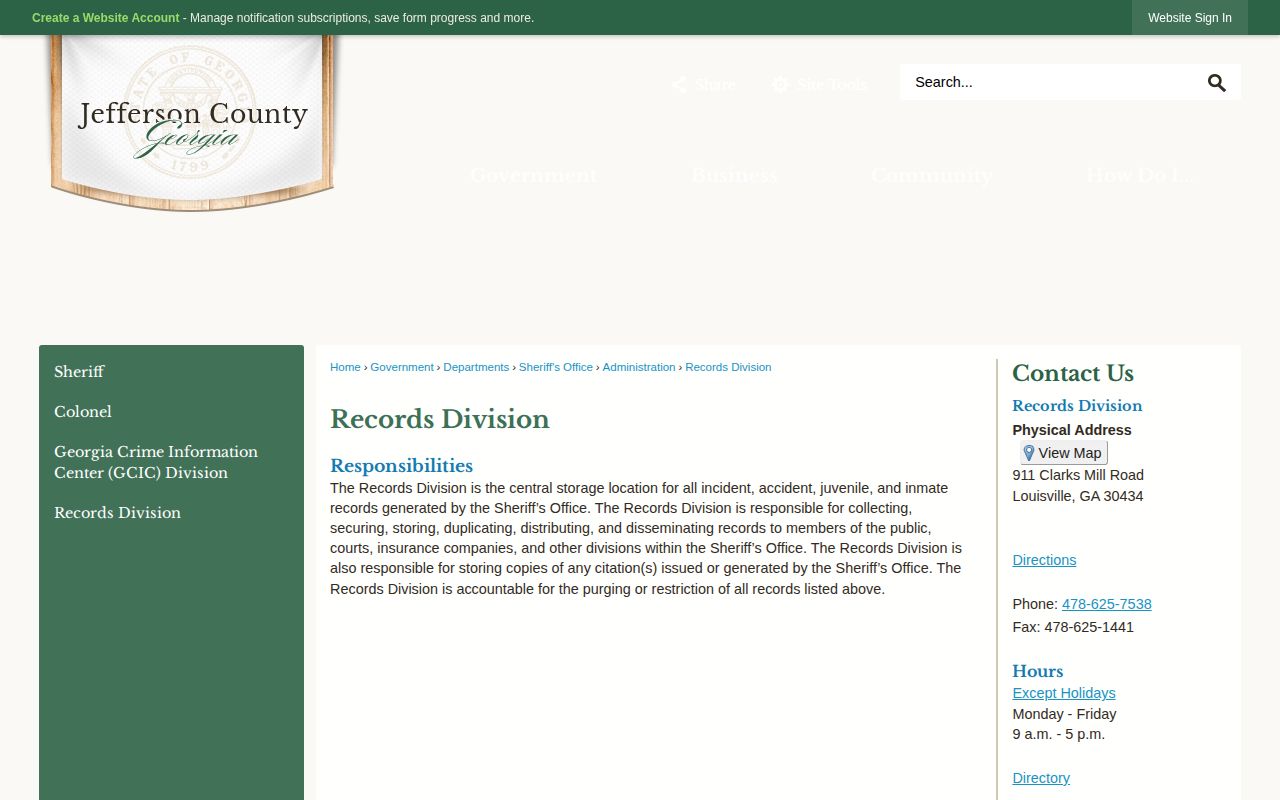
The capture identifies the county record custodian, not a live police blotter or gallery.
Jefferson Arrest Log Request Fields
Jefferson County posts no field schema for its arrest log. Treat these as fields to request and compare only when an agency lawfully supplies them. No record is guaranteed to carry every field.
| Field | How to read it |
|---|---|
| Name and booking number | Match the correct county intake record. |
| Arresting agency | Points to the incident-report custodian. |
| Arrest and booking dates | Preserves two stages that can occur at different times. |
| Charges as booked | Initial charges that can later change. |
| Bond, hold, or release | A time-sensitive custody field, not a disposition. |
| Case or docket number | Connects the event to the later court record. |
Photo availability is its own field. No Jefferson County source promises online mugshots or a photo for each arrest. Georgia booking-photo law and other protections can limit release. A missing image never erases an arrest record.
Weekend Jefferson Arrest Research
The jail runs around the clock. The Records Division keeps weekday office hours. That gap matters over a weekend or holiday. No scheduled Monday upload or predictable surge exists. For urgent custody questions, call the Jefferson County Jail at 478-625-7077. For the documentary blotter, prepare a request and reach Records when the office opens.
A person can be booked, released, or transferred before any records response arrives. Write down the event date and the date you contacted the source. When a city officer made the arrest, ask that department for its incident record. Do not assume JCSO Records holds every municipal document. The official Jail Division page backs the round-the-clock custody route. The records office remains the source for a multi-day set.
Jefferson Arrest News Is Selective
WRDW has run event-driven arrest stories from Wrens and Louisville, some with booking photos. That reporting can surface an agency, an event date, or case context. It is not a Jefferson County booking feed. Editors pick which incidents get covered. A story can also linger online long after custody or charges change.
Use local news after official channels. Match its publication date against the reported event date. Then seek the booking record from JCSO or the incident record from the named police department. Check the court for the later outcome. Treat a photo in a story as neither proof of current custody nor anything more. The dated WRDW Wrens report shows one example of selective coverage.
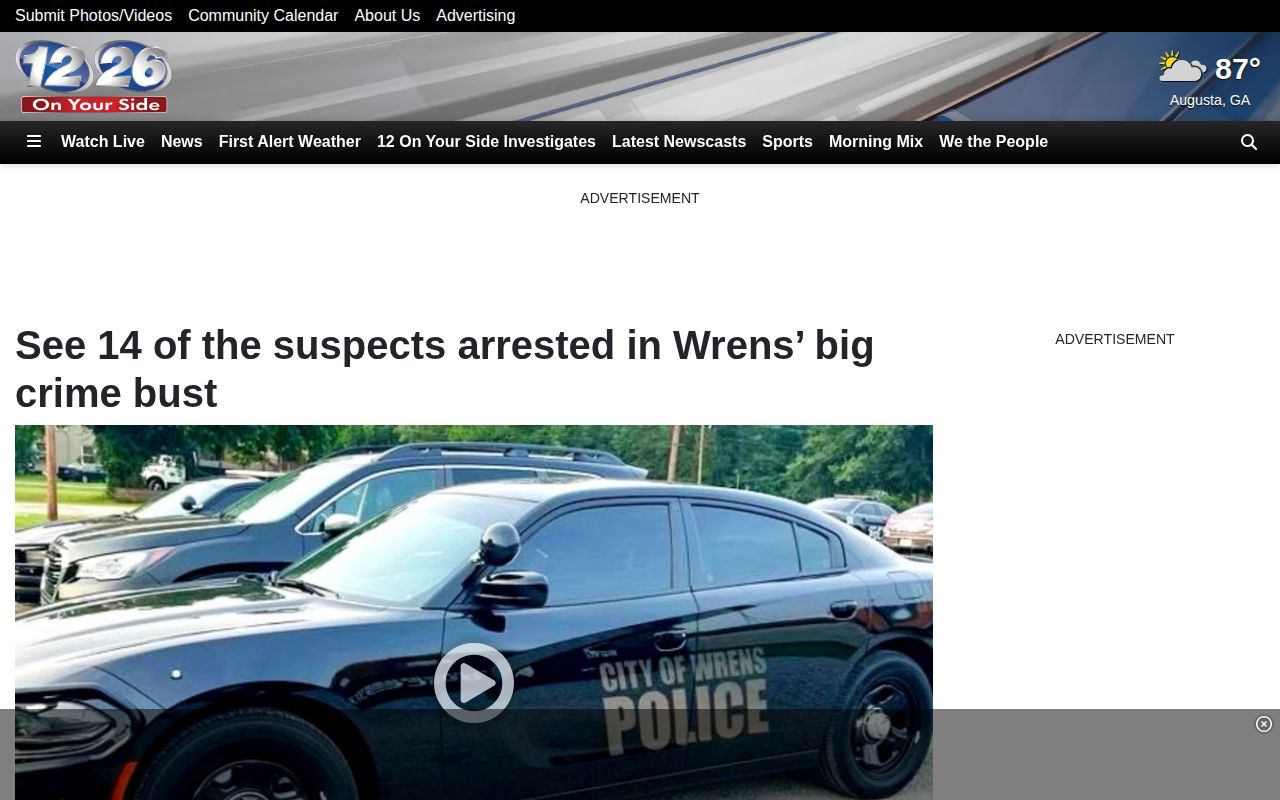
This story covers a single reported event, not a daily or countywide roster.
Jefferson Booking Archives and Retention
Georgia Archives schedules set a retention baseline, not a public online archive. Jail booking records are kept 10 years after release. Jail registers run 10 years after the last entry, and incarceration lists last one year. Open Records correspondence carries its own three-year schedule. Actual access still turns on custody, lawful disposition, restrictions, and exemptions.
Dates may reach beyond any current view. Send a date-bounded request while the record sits in its active retention cycle. Ask whether the item was destroyed under an approved schedule, transferred, restricted, or withheld. The Georgia Archives retention schedules explain the categories but host no recent Jefferson arrest log.
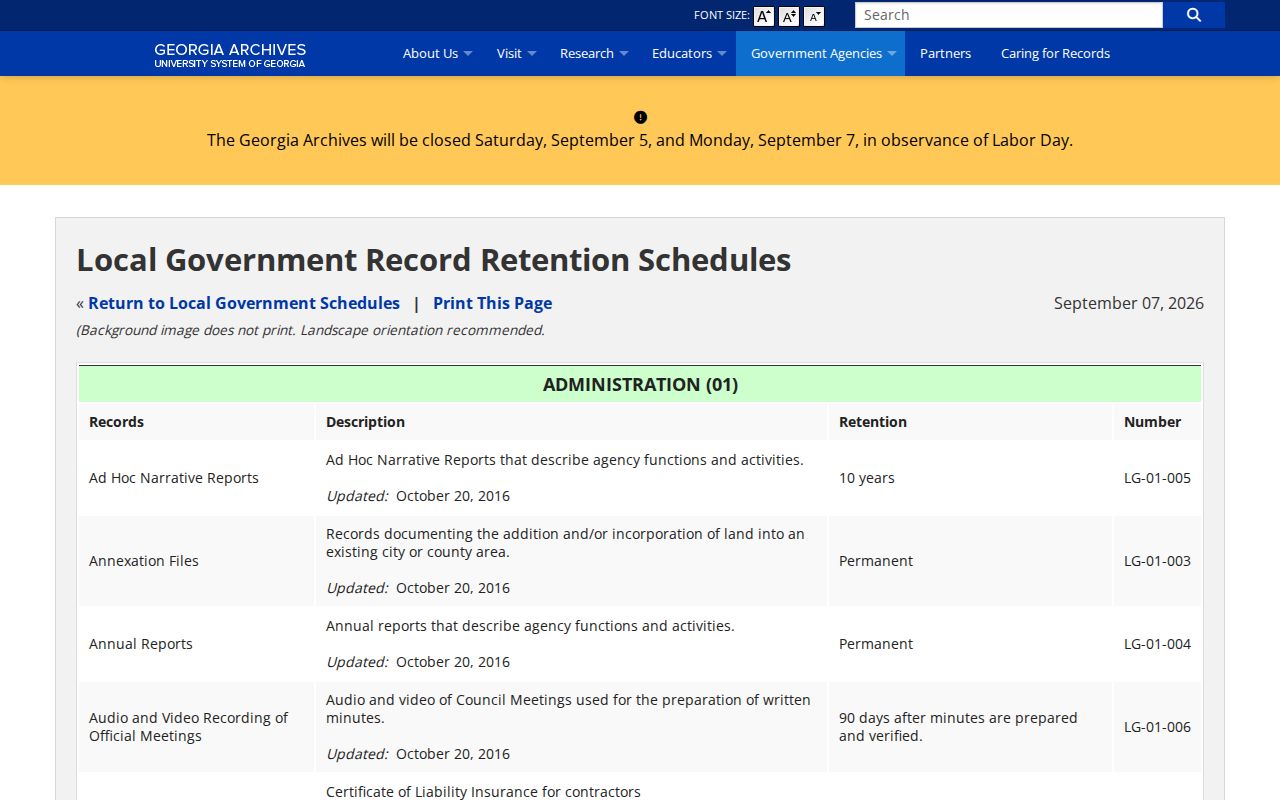
A retention schedule governs storage, not web visibility. It tells an office how long to keep a class of record. Say a Jefferson County arrest file survives in storage. That does not mean it stays online anywhere. Georgia Historic Newspapers holds older local titles, useful for historical coverage; search by date and issue, and keep the newspaper account separate from any surviving official record.
Jefferson Arrest Agencies Keep Different Records
A single Jefferson County arrest can leave paper trails in five places. JCSO creates the arrest or county incident record. The jail builds its own intake and custody records. A municipal police department files its own incident report. Later, the Clerk of Superior Court, State Court, or a municipal court keeps the docket. One office's reply rarely covers every layer.
Describe what you want instead of asking for everything. A booking register for a bounded date range differs from full incident narratives. A citation record is not a court disposition. If the arresting agency is unclear, pull the county booking record first. Its agency field routes the next request. That beats merging names from search results.
Holds add another wrinkle. A hold may simply mean Jefferson County is holding someone for another agency, so it proves nothing about who prosecutes the listed matters. Before drawing any conclusion from the jail record, ask which agency owns the hold and which court controls the case.
Follow Jefferson Arrests Into Court
An arrest in Jefferson County opens a case, and the paper trail moves to court from there. The Jefferson County Clerk of Superior Court keeps the criminal dockets. Georgia Courts E-Access covers some courts too, though provider coverage varies by county and case type. A docket can list filings, hearing dates, an indictment, and the final disposition. It is not a live custody list.
Track cases by docket or case number whenever you can. Names alone collide fast in a small county. A booking charge can also differ from what gets filed later. A prosecutor may drop a charge with a nolle prosequi entry, so read the docket to the end.
Need something certified? Ask the clerk what certification options exist and what the fee runs. Not every Jefferson County case sits online, and some records stay restricted by law. The clerk is the custodian of record, so that office has the last word on what a certified copy proves.